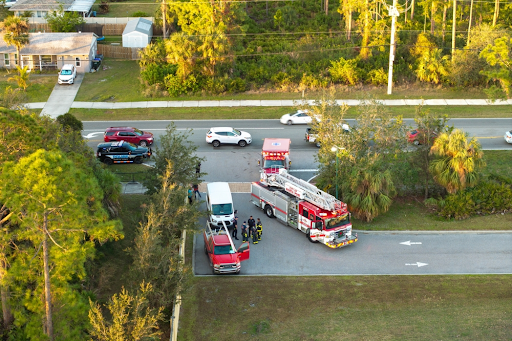
Fleet maintenance software keeps first responder vehicles ready to roll by tracking what each unit needs and flagging trouble before it pulls an apparatus out of service. However, the problem is that most platforms were built for delivery vans and contractor pickups, not for a fire engine that has to start on the first try at 3 a.m.
When a single out-of-service apparatus can mean a slower response across an entire district, the question is not whether you need fleet maintenance software. It is whether the one in front of you actually understands how emergency vehicles live.
Why First Responder Fleets Are Different
A commercial fleet measures success in cost per mile and uptime percentages. A first responder fleet measures it in seconds, and the stakes run far higher than a missed delivery.
Vehicle crashes are already one of the leading causes of on-duty death for firefighters and EMS crews, which is why the NHTSA's analysis of ground ambulance crashes treats emergency vehicle safety as a public health issue rather than a fleet metric. A truck that is not in a safe, ready condition puts crews and patients at risk before it ever reaches the scene.
There is also the matter of how these vehicles wear. An ambulance can sit idling at a scene for an hour while crews work, and a fire engine spends a real chunk of its life running a pump rather than turning wheels. And mileage barely captures any of that.
The engine hours pile up while the odometer sits still, and maintenance built around miles alone will miss the wear that actually matters. Any fleet maintenance software worth considering for this work has to start from those realities.
What Actually Matters in Fleet Maintenance Software for First Responders
Once you accept that emergency vehicles are a different animal, the feature list you should be judging changes. A few things separate software that genuinely fits this work from software that simply claims to.
1. Usage-Based Schedules That Count Engine Hours
This is the one that trips up generic platforms. Good fleet maintenance software for first responders pulls engine hours and PTO usage straight from the vehicle, then triggers service on real wear instead of a calendar guess.
That kind of preventive maintenance software means an ambulance that idled through a brutal week gets flagged exactly when it needs attention, while a reserve unit that barely moved does not get pulled in early for nothing.
Done right, preventive maintenance tracking stops you from both over-servicing and under-servicing the same fleet.
2. A Real-Time Readiness Picture
In a commercial fleet, a vehicle in the shop is an inconvenience. In a station, it changes what you can respond with.
The chief and the dispatcher both need to know, right now, which units are in service and which are down for repair. Strong fleet management software puts that readiness picture on one screen, so nobody discovers a reserve engine is the only thing available after the call already came in.
For instance, Track Star builds that view around live status, which turns readiness from a phone call to the shop into something you can simply see.
3. Records That Hold Up to a Standard and an Audit
First responder maintenance is not freeform.
The NFPA's standard for inspecting, maintaining, and testing in-service emergency vehicles sets the minimum requirements for apparatus inspection and testing, including annual pump performance tests and the detailed checklists most departments build into their programs.
Your fleet maintenance software should make following that standard easier rather than harder. It should hold the inspection records and the required test schedules, and keep the documented history that proves emergency vehicle maintenance happened the way it was supposed to.
For publicly funded agencies, that same record answers the accountability questions that come with government fleet management and pairs naturally with proper fleet compliance software.
4. Working With the Hardware You Already Have
Plenty of emergency vehicles already carry the technology needed to feed a maintenance system.
Police units in particular often run modems and onboard systems installed for other reasons, so the smart move is connecting to what is already there rather than bolting on a second box.
The right police fleet management software taps existing modems and OEM data instead of forcing new hardware onto every vehicle. And because Track Star is hardware agnostic, it works with the equipment a department already owns, which keeps rollout affordable and avoids tearing apart vehicles that are already in service.
5. Coverage for the Entire Equipment
A fire engine is a rolling collection of equipment as much as it is a truck. Pumps, aerial mechanisms, onboard generators, and the medical gear inside an ambulance all carry their own service needs.
Fleet maintenance software that only thinks about the vehicle misses half the picture. This is where pairing maintenance with enterprise asset management matters, since it lets a department handle equipment maintenance tracking for everything an apparatus carries inside the same system that tracks the chassis.
How It Looks Across Fire, EMS, and Police
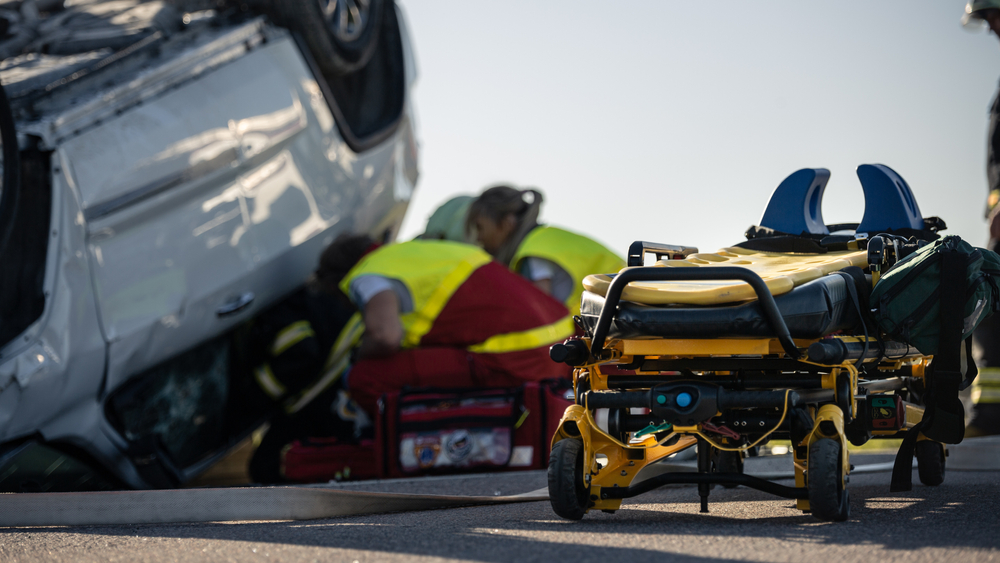
The core needs hold across every first responder fleet, but each service leans on the software a little differently.
- Fire departments care most about apparatus readiness and NFPA-aligned testing, which is the backbone of solid fire department fleet management software.
- EMS agencies live and die on ambulance uptime and fast turnaround between calls, which makes up the focus of dedicated ambulance fleet management software.
- Police fleets, with their heavy idling and existing in-car tech, gain the most from connected maintenance.
No matter the industry, the platform underneath stays the same. What changes is which parts each agency leans on most.
Bringing It All Into One Platform
The thread tying all of this together is that first responder maintenance never happens in isolation. Readiness, testing records, equipment service, and the live location of every unit are all connected, and splitting them across separate tools is how things slip through.
Running them inside one platform, like Track Star, means the engine-hour reading that triggers a service also updates the readiness board and lands in your fleet management reporting without anyone keying it in twice.
With deep public-sector experience behind it, Track Star is built for the complex, accountability-driven fleets first responders actually run. If you want to put a number on what better fleet maintenance software would save your agency, our fleet ROI calculator is a fast place to start.
Final Thoughts
For a first responder agency, maintenance is a readiness problem long before it is a cost problem, and the software you choose either respects that or quietly works against it.
The right fleet maintenance software counts the wear that emergency vehicles really put on themselves, keeps your inspection and testing records audit-ready, and tells you which units can roll before anyone has to ask.
Track Star pulls all of that into one platform built around public-sector operations and the accountability that comes with them. Schedule a call, and we'll show you exactly how it would run on the apparatus your community depends on.
Frequently Asked Questions
Can Track Star replace our NFPA 1911 inspection checklists?
No, it operationalizes them. Good software stores the NFPA-based checklists, schedules the required inspections and tests, and keeps the completed records, so the standard runs inside the system instead of on paper.
Can combination departments use fleet maintenance software?
Yes. Cloud-based systems like Track Star suit volunteer and combination departments well, since crews can log inspections from a phone and chiefs check readiness remotely, with no dedicated fleet office required to keep things current.
How do we track maintenance on reserve apparatus?
Tag reserve units so they follow lighter, usage-based schedules. They still need periodic checks and testing, but the system only flags them when accumulated hours or elapsed time actually warrant service.
Can Track Star integrate with our existing CAD or dispatch system?
Yes. Track Star has open APIs, which means it can can share data with CAD and dispatch tools. That means vehicle readiness and location feed the systems your crews already rely on during a call.
What happens to maintenance records when we retire an apparatus?
Good systems keep the full service history archived even after a unit leaves the fleet. That record supports resale or grant reporting and protects the department if a past repair is ever questioned.