

If you are researching vehicle tracking for your fleet, you have probably come across the term OBD tracking. It sounds technical, but in practice, it is one of the simplest ways to get GPS data from a vehicle.
So what is OBD tracking, and when does it actually make sense for fleets?
Let’s break it down in plain language, with real examples.
What Is OBD Tracking?
OBD tracking refers to using a GPS device that plugs directly into a vehicle’s OBDII port to collect location data and vehicle diagnostics.
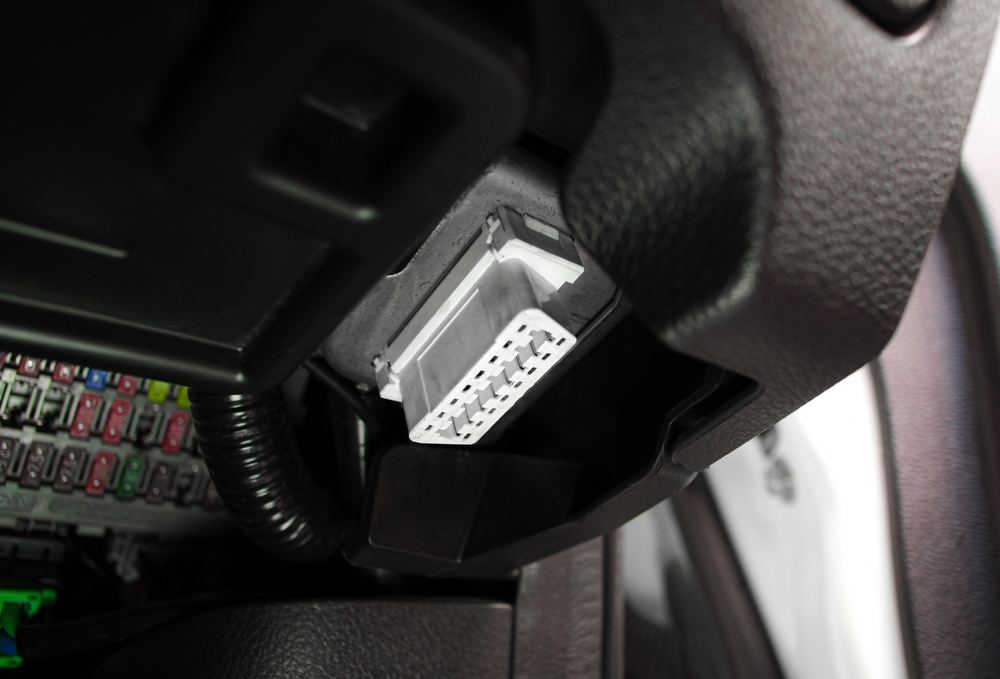
The OBDII port, short for On-Board Diagnostics II, is a standardized connector found in most vehicles manufactured in the United States since 1996. It is typically located under the dashboard on the driver’s side.
An OBDII port tracker connects to this port and pulls information directly from the vehicle’s onboard computer. That means it can capture not just GPS location, but also data such as engine diagnostics, speed, idle time, fuel usage, and fault codes.
Unlike hardwired systems, OBD tracking devices are considered plug-and-play GPS solutions. You plug them in, activate them, and they start reporting data.
No cutting wires. No downtime at an installation shop.
How Plug-And-Play GPS Actually Works
The term plug-and-play GPS is often used loosely, so it helps to understand what it really means.
With traditional hardwired telematics, a technician connects the GPS device directly to the vehicle’s electrical system. That process can take one to two hours per vehicle and may require scheduling downtime.
With an OBDII port tracker, installation usually takes less than a minute. You physically insert the device into the OBDII port. Once powered, the device uses cellular connectivity to transmit location and vehicle data to your fleet management platform.
Because the device is powered directly by the vehicle, it turns on and off with the ignition. When the engine runs, data flows. When the vehicle shuts down, the device goes into sleep mode.
For small fleets or businesses testing telematics for the first time, plug-and-play GPS is often the easiest entry point.
What Data Does An OBDII Port Tracker Provide?
Many fleet managers ask what kind of data they can expect from OBD tracking.
In most cases, an OBDII port tracker provides:
- Real-time GPS location
- Vehicle speed
- Idle time
- Harsh braking or acceleration events
- Engine diagnostics and fault codes
- Fuel consumption estimates
- Vehicle identification data, such as VIN
According to the NHTSA, the OBDII system was originally designed to monitor emissions-related systems and detect malfunctions. Telematics providers leverage this same data stream to help fleets monitor vehicle health and performance.
For example, if a delivery van triggers a check engine light due to a misfire or sensor issue, an OBD tracking system can alert the fleet manager immediately. Instead of waiting for the driver to report the issue days later, maintenance can be scheduled proactively.
In larger fleets, that visibility reduces unplanned downtime and prevents minor issues from becoming expensive repairs.
When Should Fleets Use OBD Tracking?
Now that we have answered what OBD tracking is, the next question is when it actually makes sense.
OBD tracking works best in specific use cases.
Small And Mid-Sized Fleets
If you manage 5 to 50 vehicles and need a fast rollout, plug-and-play GPS is usually the most efficient option. You can deploy devices in a single day without coordinating installation teams.
For example, a regional HVAC company with 18 vans can install OBDII port trackers internally and start monitoring routes, idle time, and fuel use immediately.
Short-Term Or Leased Vehicles
If your fleet includes leased vehicles or temporary rentals, hardwiring devices may violate lease agreements. OBD tracking offers a non-invasive solution.
When the lease ends, you simply unplug the device and transfer it to another vehicle.
Pilot Programs
Many organizations want to test telematics before committing to a full deployment. An OBDII port tracker allows fleets to run a pilot without a significant upfront cost or operational disruption.
This is especially common in municipal fleets evaluating new fleet management platforms.
Light-Duty Vehicle Fleets
OBD tracking is ideal for light-duty vehicles such as sedans, pickup trucks, and service vans. These vehicles almost always have accessible OBDII ports and standardized data outputs.
However, it may not be ideal for heavy equipment or specialized vehicles that lack standard OBDII systems.
When OBD Tracking May Not Be Enough
While OBD tracking is convenient, it is not always the right choice.
There are situations where other GPS installation options are more appropriate.
Tamper Concerns
Because OBD devices are easy to access, drivers can potentially unplug them. In high-risk environments or public sector fleets, hardwired devices are often preferred for added security.
Heavy-Duty And Mixed Fleets
Heavy-duty trucks often use J1939 or other diagnostic systems instead of standard OBDII ports. Mixed fleet telematics environments may require more advanced hardware solutions.
In those cases, hardwired systems or OEM integrations provide deeper data access.
Advanced Sensor Integration
If your fleet requires PTO monitoring, door sensors, dash cameras, or custom input monitoring, an OBDII port tracker may not support those integrations. Hardwired solutions offer more flexibility.
At Track Star, for example, we often recommend OBD tracking for light-duty or pilot deployments, while advising hardwired or OEM-connected solutions for complex public sector and mixed fleets.
We support both approaches, and usually help fleets choose the right setup based on their vehicles, compliance needs, and long-term goals.
Comparing GPS Installation Options
Choosing between OBD tracking and other GPS installation options comes down to operational needs.
Plug-and-play GPS offers speed and simplicity. Hardwired GPS offers security and customization. OEM data integrations eliminate the need for aftermarket hardware altogether when compatible vehicles already have factory-installed modems.
For instance, many modern police vehicles and municipal trucks now come equipped with built-in modems. In those cases, connecting directly to the vehicle’s data stream can reduce hardware installation requirements entirely.
Understanding your fleet composition is key.
A 25-vehicle landscaping company may benefit from OBDII port trackers. A 500-vehicle utility fleet with bucket trucks and specialized equipment likely requires a more robust installation approach.
Practical Example: Choosing The Right Approach
Let’s look at two real-world scenarios.
Scenario one: A regional pest control company with 32 vans wants to reduce fuel costs and improve route accountability. They need basic location, idle reporting, and engine diagnostics. OBD tracking is a logical choice. Deployment is quick, the cost is lower, and data visibility is immediate.
Scenario two: A city public works department manages snowplows, dump trucks, light-duty vehicles, and specialty equipment. They need PTO tracking, plow blade monitoring, and integration with dispatch systems. An OBDII port tracker alone would not provide enough coverage. A mixed installation strategy would make more sense.
The technology must fit the operational complexity.
Final Thoughts
OBD tracking is a fast, plug-and-play GPS solution that connects to a vehicle’s OBDII port to deliver location and diagnostic data without complex installation.
It works best for light-duty fleets, pilot programs, leased vehicles, and organizations seeking quick deployment. It may not be sufficient for heavy-duty fleets or those requiring advanced sensor integrations.
Before selecting any telematics system, fleets should evaluate their vehicle mix, security requirements, integration needs, and long-term scalability.
If you are unsure which GPS installation options fit your fleet, contact us. We can have a quick consultation to evaluate your vehicles, operational needs, and the right deployment strategy for long-term performance.


