Premium Fleet Dash Cam Systems
Most footage gets requested weeks after the event, long after anyone remembers the route. Track Star's fleet dash cam systems tie every clip to the vehicle data recorded alongside it, so reviews take minutes and nobody drives to the yard for an SD card.

Trusted by leading fleets nationwide





The Clip Is Only Half The Story
Here is how fleet operations usually work. A vendor installs cameras, the footage lands in a portal, and that portal has nothing to do with the GPS system the fleet already runs. It works until someone needs a clip.
A claim arrives six weeks late and the loop has written over that day. A resident says a city truck ran a school zone, and the video shows a truck moving with nothing on it to say how fast.
Fleet dash cam systems close that gap by treating video as another data stream off the vehicle, not a separate product with its own login. The clip arrives already carrying the speed and location it was recorded at.
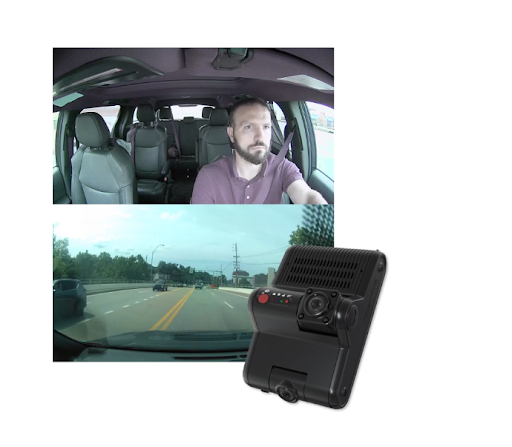

Video And Vehicle Data On One Timeline
Track Star records video inside the telematics feed. A hard brake triggers a clip stamped with the vehicle, the driver assignment, the GPS position, and the speed at that moment, filed against the same asset record holding that unit's maintenance and utilization history.
That is what separates a dash cam with GPS tracking from two products sold in a bundle. Because enterprise asset management and telematics run on one Track Star platform, reconstructing an incident means opening one record instead of three.
Cameras run alongside OEM feeds or existing vehicle modems, so a pickup, a bucket truck, and a plow all report into the same place.
What Our Clients Say
“Having equipment at the job when promised; inspecting and fueling before delivery; making business choices that positively impact everyone involved; and asking the questions that help us do right by each of our customers are at the heart of everything we do. Track Star helps us make good on our promises.”
Ed Radel
Leppo Rents

“Track Star's solution opens opportunities for NAIPTA. We have a valuable tool to help us make smarter decisions about today’s operations, and plan for the future.”
Wade Forrest
NAIPTA
"We’re able to look at usage from multiple angles and predict optimal timing for vehicle maintenance, planned maintenance prevents unexpectedly pulling a squad car out of service—and potentially impacting public safety"
Aaron Russell
City of Burleson


Getting The Clip Off The Vehicle
The most common dash cam failure has nothing to do with the camera. It is retrieval. Local storage loops, so if reaching footage means reaching the vehicle, every request waits on that unit coming back while the clip still exists. Track Star’s fleet dash cam systems move the evidence instead:
• Event-Triggered Upload: Flagged clips move over the vehicle's connection as they happen, before local storage cycles.
• Manual Pull By Vehicle And Time Window: Request footage for a specific unit and shift without the truck returning to the yard.
• Site-Scoped Permissions: Each department sees only its own units, so access works across jurisdictions without a shared login.
• Mobile Field Access: Supervisors review and clear a request from the field rather than from a desk.

Camera Capabilities Built Around Vehicle Data

Video Synced To Location
Every clip lands with the GPS position and speed from that exact instant. Track Star puts reconstruction on one screen instead of a manual match between two systems.
Learn More
Full Coverage
Cameras report through the same fleet connectivity as the rest of the fleet, including satellite for rural corridors. Vehicles, heavy equipment, and rented units stay on one platform.
Learn More
Detailed Risk Patterns
One clip shows one moment. Scored driving events in Track Star's fleet safety software show which units generate repeat risk, so coaching goes where it changes something.
Learn More

Scorecards Drivers Actually Accept
Track Star scores each behavior on its own line, so a driver's card breaks out all behaviors separately in one screen. Fleet score, ranked drivers, color-coded columns down to the individual behavior. A supervisor with ten minutes before a shift meeting can find the three people worth talking to and know what to say.Here is what a supervisor opens to:
• Scores Weighted Against Distance: A driver running 112 miles is measured against the same standard as one running 36, so route length stops distorting the ranking.
• Plain Classification Bands: Every driver lands in Excellent, Good, Fair, or Bad. Nobody needs the scoring methodology explained to know where they stand.
• A Ranked Coaching List: Track Star surfaces the drivers who need attention first, with each bar broken out by behavior, so you see who to talk to and what about.
• Group & Period Filters: Scope to North Zone or to last quarter. Supervisors review their own crews without building a report or filtering a spreadsheet.
Where Track Star Fits Against Standalone Camera Vendors
Camera vendors sell cameras. That holds until the fleet needs video to answer a question the lens cannot. Was that unit assigned to the route it was on? Did the hard brake correlate with a brake service already overdue?
Track Star has spent 25 years building for fleets where those questions get asked under audit. Public safety, utilities, municipalities, and school transportation run video against the same platform holding their asset records and compliance history.
The lens answers what it saw. Everything an insurer or a council member asks next lives in the platform behind it.


Find out what you could save
Schedule a quick call to discover exactly how we can improve your fleet operations.
+1 800-661-3515Frequently asked questions
Fleet units run on continuous power and report into a central platform rather than a local memory card. They handle commercial duty cycles and tie every recording to a vehicle record, so managers find footage without touching the hardware.
No. Track Star handles video and GPS on one platform, so location and speed are captured with the footage rather than matched afterward from a second system. Hardware options vary by vehicle, but the data lands in one record.
Yes. Road-facing and driver-facing configurations are both available. Inward footage supports coaching on distraction and seatbelt use. Fleets often mix configurations by vehicle type depending on what each role requires.
Driving data triggers it, usually harsh braking, rapid acceleration, or a collision-level impact. Clips can also be pulled manually for a specific vehicle and time window when a complaint or claim surfaces later.
Footage records locally and uploads once the vehicle reconnects, so coverage gaps delay retrieval without losing the event. Track Star supports satellite and multi-network connectivity for fleets working rural corridors with inconsistent service.